
The walled night: what to do at night in Cartagena's Old City
From the last sun on the city walls to the small hours at SLVJ, a night in a city that learned to live once the heat lifts.
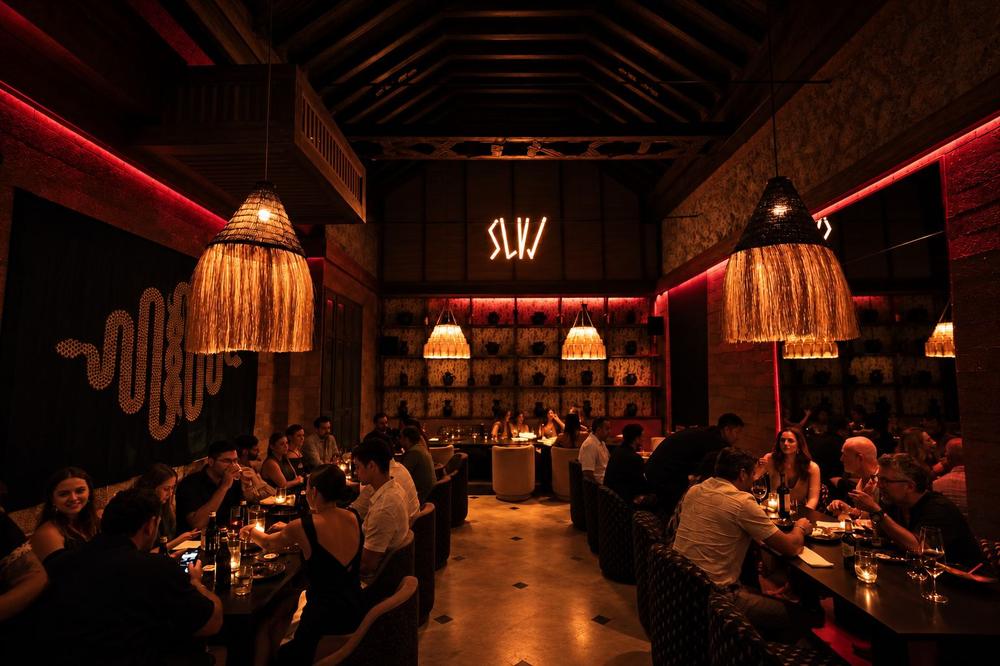
By day, Cartagena is heat and light. Around half past five the air changes weight: the sea breeze comes in, the stone of the walls starts giving back the sun it stored all day and the first bulbs flicker on along the balconies. The walled city becomes another place, of full plazas and music drifting out of the houses. Here's how we'd build a full night.
A city made for the night
Pedro de Heredia founded Cartagena in 1533, and for much of its history the city watched the sea with suspicion. After Francis Drake sacked it in 1586, it shut itself in behind the walls that still embrace it, declared a UNESCO World Heritage Site in 1984.
The classic way in is the Clock Tower. At its feet, Plaza de los Coches was a market for enslaved people in colonial times, and from Africa came the drums, the songs and the way of dancing that define the Colombian Caribbean night today.
In Cartagena, music doesn't stay indoors. It spills into the street.
I · 5:30 pm
The last sun on the walls
Climb the city walls near Baluarte de Santo Domingo and watch the sun drop into the sea. It's the most Cartagena ritual there is.
Beyond the walls, at the foot of Castillo San Felipe, a pair of giant boots has honoured the Cartagena poet Luis Carlos López since 1957. In his poem "A mi ciudad nativa" he offered the city the affection one feels for a pair of old shoes. That is how this city is loved: without ceremony, worn in from so much walking.
II · 6:30 pm
The plazas light up
Walk Plaza Santo Domingo, San Pedro Claver and Plaza de San Diego. If you'd rather sit, electric carriages leave from several points in the Old City until 11 pm.
In Santo Domingo, Fernando Botero's Gertrudis, a bronze woman the artist donated to the city in 2000, is stroked by passers-by: touching her is said to bring luck. A short walk away is Getsemaní, the artisans' quarter that on 11 November 1811, led by Pedro Romero and his lancers, pushed the city to declare absolute independence from Spain. Today Plaza de la Trinidad is where neighbours and travellers meet, and on Calle de la Media Luna, Café Havana has kept live salsa going since 2006.
III · 7:30 pm
The table
At Casa Salvaje, two options: the fire of Kanibal or the feast at SLVJ, with a sushi bar to start. Book ahead, especially Thursday to Saturday.
IV · 11:30 pm
The club
Thursday to Saturday, once dinner winds down, the SLVJ room lights up on a Funktion-One system and the club runs until 3 am. You can reserve a club table in advance.
It's the house's take on a deeply Cartagena tradition. Since the street parties of the mid-20th century, the coast's neighbourhoods have danced around picós, huge sound systems whose name comes from the English "pick-up". They played the African records arriving at the port and, from the 1980s, champeta, born in Cartagena with roots in San Basilio de Palenque. And there's always Joe Arroyo, the Cartagena-born singer who in 1986 turned "La rebelión", the story of an enslaved African couple in 17th-century Cartagena, into an anthem.
- Baluarte de Santo Domingo See on the map
- Plaza Santo Domingo See on the map
- Plaza de la Trinidad, Getsemaní See on the map
- Café Havana See on the map
- Kanibal and SLVJ Kanibal · SLVJ
At dinner, behave. After dinner, anything. We're at Calle Santa Teresa #32-41; check opening hours.